

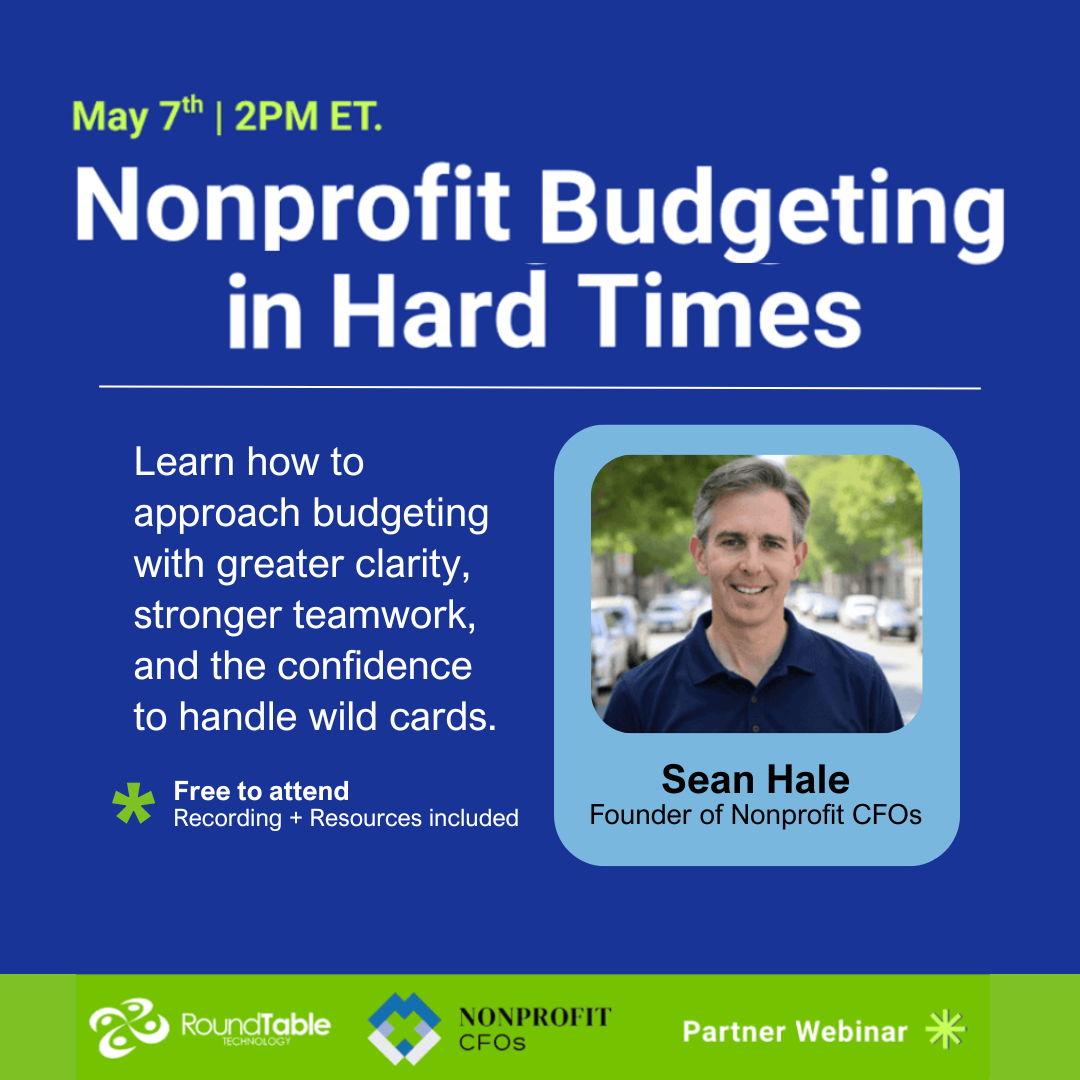
In good times and bad, a successful budget process goes beyond spreadsheet skills and a good template. In the best budget processes, the board and staff are aligned on their roles and the budget's purpose, the organization chooses frugality over cheapness, nonprofit leaders collaborate through difficult choices, and they're prepared for wild cards.
During the difficult years, the budget process also:
Clearly identifies the financial and mission impact of every major activity
Prioritizes mission impact over “fair” cuts
Engages and unites leaders, getting buy in for difficult choices
Includes strategic investments that will minimize the impact of cuts and increase the odds of the organizing emerging stronger from the lean years
This workshop goes beyond the numbers, diving into the strategic and leadership side of budgeting that most trainings skip. Along with the core topics, we may also cover how to make budget approval more inclusive, respond when wild cards pile up, think through profits and reserves, address deficits, plan for cost-of-living adjustments, manage surprises, and improve budget timing
Learning Objectives:
Tools to navigate difficult budget decisions
Leadership is ready to handle wild cards
Clarity on frugality vs cheapness
Why is this relevant?
Effective leadership skills during a budgeting process are key, especially in difficult budgeting years. Too often, completing a spread sheet proves much easier than navigating budget cuts, managing misunderstandings, and bringing the organization together around the core question of how it will allocate its resources next year.